Galleria Doria Pamphilj, Rome: What to See and How to Plan
Is it worth visiting: who gains most from this museum and who should choose another collection.
Yes, if you like art explained through a single family's taste. This is a lived-in palace, not a purpose-built museum, and the collection is small enough to absorb in one visit. The Pamphilj family still owns it, which changes how you read the rooms: the portraits are ancestors, the chapel is for family use, and the apartments feel inhabited.
Skip it if you want a systematic overview of Italian painting. The Vatican PinacotecaPinacotecaA pinacoteca is a painting gallery, as opposed to a collection of sculpture or antiquities. The Vatican Pinacoteca and the Capitoline Pinacoteca are separate wings within their museums. or the Capitoline picture gallery will do that better. Also skip it if you are short on time and already booked for the Borghese, the Doria is calmer, but the Borghese has more masterpieces per minute.
What to see: the collection, rooms or works that define the visit, with a route that does not overpack the day.
The core route is the state apartments on the piano nobile, which wrap around a courtyard. Start in the Sala dei Fogliami, where the family hung paintings floor to ceiling in the 17th-century fashion. That decorative density is the point, so do not try to isolate every canvas.
Do not miss the VelazquezDiego VelázquezDiego Velázquez (1599 to 1660), court painter to Philip IV of Spain, painted the Portrait of Pope Innocent X in Rome in 1650. It hangs in its own cabinet at the Doria Pamphilj Gallery. portrait of Pope Innocent X in the small room near the chapel. It is the only Velazquez pope portrait still in its original family collection, and the gallery lights it so the face follows you. The CaravaggiosCaravaggioCaravaggio, born Michelangelo Merisi in Milan in 1571 and dead at Porto Ercole in 1610, is the painter of dramatic light whose Roman years left works in the Borghese, the Doria Pamphilj, Palazzo Barberini and three ch... rest on the way out: Penitent Magdalene and Rest during the Flight into Egypt repay a few quiet minutes, but they are not the entire show.
BerniniGian Lorenzo BerniniGian Lorenzo Bernini (1598 to 1680) was the sculptor and architect who shaped Baroque Rome: the Borghese sculpture groups, the colonnade of St Peter's Square and the fountains of Piazza Navona.'s bust of Innocent X is in the same sequence, and the comparison with Velazquez's painting of the same man is one of the best moments in Rome. The family portrait gallery, the GabinettoGabinettoA gabinetto is a small room in a palace or gallery reserved for one work or a small group of them. The Velázquez Cabinet at the Doria Pamphilj holds the portrait of Innocent X. delle Metamorfosi ceilings, and the tiny chapel with its relics round out the visit. The private apartments are open on a separate ticket and show how the family still uses the palace, check the official programme for current access.
How long to allow: realistic visit shapes, without invented queue or room timings.
Plan for 1.5 to 2 hours as an editorial estimate. The full route with audio guideAudio guideAn audio guide is the museum's own recorded commentary, rented at the desk or downloaded as an app. In Rome it often comes bundled with the entry ticket sold by resellers. fits comfortably in that range, and you can extend to 2.5 hours if you read every label and sit in the Salone.
The shortest sensible visit is 50-60 minutes: see the state apartments, the Velazquez, the two Caravaggios, and skip the private apartments and the chapel. Do not try to visit in under an hour if you have already paid for the audio guide, since the guide gives each room more context than the labels alone.
Tickets and entry: explain timed entry, security and reservation decisions, using only supplied official facts.
The official website sells timed entryTimed entry slotA fascia oraria is the entry window printed on a Rome museum ticket. It fixes when you may enter, and at some museums how long you may stay. tickets, and booking ahead is the right choice for most visitors. Walk-up tickets exist when capacity allows, but the palace controls visitor numbers, so a booked slot removes the risk of a wasted trip. Ticket prices, reductions, and the exact free-entry rules are published on the official Doria Pamphilj site, use that as your source before paying.
Security is a standard bag checkCloakroomThe guardaroba is the free cloakroom where museums require large bags, umbrellas and backpacks to be left. At the Vatican Museums it is compulsory for anything above cabin-bag size. at the entrance, and large bags and suitcases are not allowed in the rooms. There is no fixed one-way route, which is why the audio guide matters: it orders the rooms for you. If you book the private apartments or the chapel, confirm the meeting point when you book, since those areas have separate access times.
How to combine it: compare nearby or related museums by collection and visit purpose, not generic geography.
The Doria Pamphilj pairs well with the Palazzo Altemps, five minutes away on foot, because both tell you how Roman palaces displayed ancient sculpture and family power. Altemps has the Ludovisi Throne and the Galata, while the Doria has the paintings and the lived-in rooms, together they make a coherent afternoon about noble collecting.
The Capitoline MuseumsMusei CapitoliniThe Musei Capitolini are the civic museums on the Capitoline Hill, housed in the Palazzo dei Conservatori and the Palazzo Nuovo on Michelangelo's square. They hold the Capitoline She-wolf and the bronze Marcus Aurelius. are a 15-minute walk and give the civic version of the same story, with the She-Wolf and the equestrian Marcus Aurelius. If you prefer BaroqueBaroqueThe Baroque is the art of seventeenth-century Rome: theatrical, emotional and built for the Counter-Reformation papacy. Bernini, Borromini and Caravaggio are its Roman names. sculpture over painting, choose the Galleria BorgheseGalleria BorgheseThe Galleria Borghese is the state museum in the Borghese villa holding Bernini's sculptures and the Caravaggio paintings collected by Cardinal Scipione Borghese. Entry is by reserved two-hour slot only. instead, but you will need a separate timed reservation there. The Vatican is not a sensible add-on to the same morning, since it needs its own half day.
Accessibility and families: point to the official access information and explain what visitors need to verify.
The palace has steps at the entrance and several level changes inside the state apartments. The official accessibility page describes the step-free route, the lift to the piano nobile, and the adapted toilet, check it before booking because not all rooms are on the accessible path. A visit with a pushchair is tiring but possible if you use the lift and skip the basement areas.
Families do better with the audio guide pitched to older children or by turning the visit into a treasure hunt: find the pope who appears twice, once painted and once carved. Younger children will tire quickly in the portrait rooms, so plan a shorter loop and leave before the tantrum point. The gift shop and cafe are small, for a break, use the square outside the entrance rather than crowding the palace corridors.
Mistakes to avoid: concrete route, booking and pacing errors.
Do not arrive without a booking on a weekend afternoon. The palace sells timed slots and will turn you away when full, and there is no nearby museum you can duck into for an hour. If you arrive early, use the time in the pedestrian area outside instead of waiting in the queue.
Do not skip the audio guide to save a few euros. The rooms are not arranged chronologically, and without the audio you will read the wrong family names onto the wrong portraits. Do not spend your whole visit on Caravaggio either, the gallery's real rarity is the intact 17th-century hanging scheme.
Do not confuse the private apartments with the main route. The apartments are a separate paid addition, and they close more often than the state rooms. Finally, do not try to do the Doria and the Vatican on the same morning, both need a clear head and comfortable shoes, and the Doria deserves more than a rushed 40 minutes.
FAQ
Is the Galleria Doria Pamphilj the same as Palazzo Doria Pamphilj?
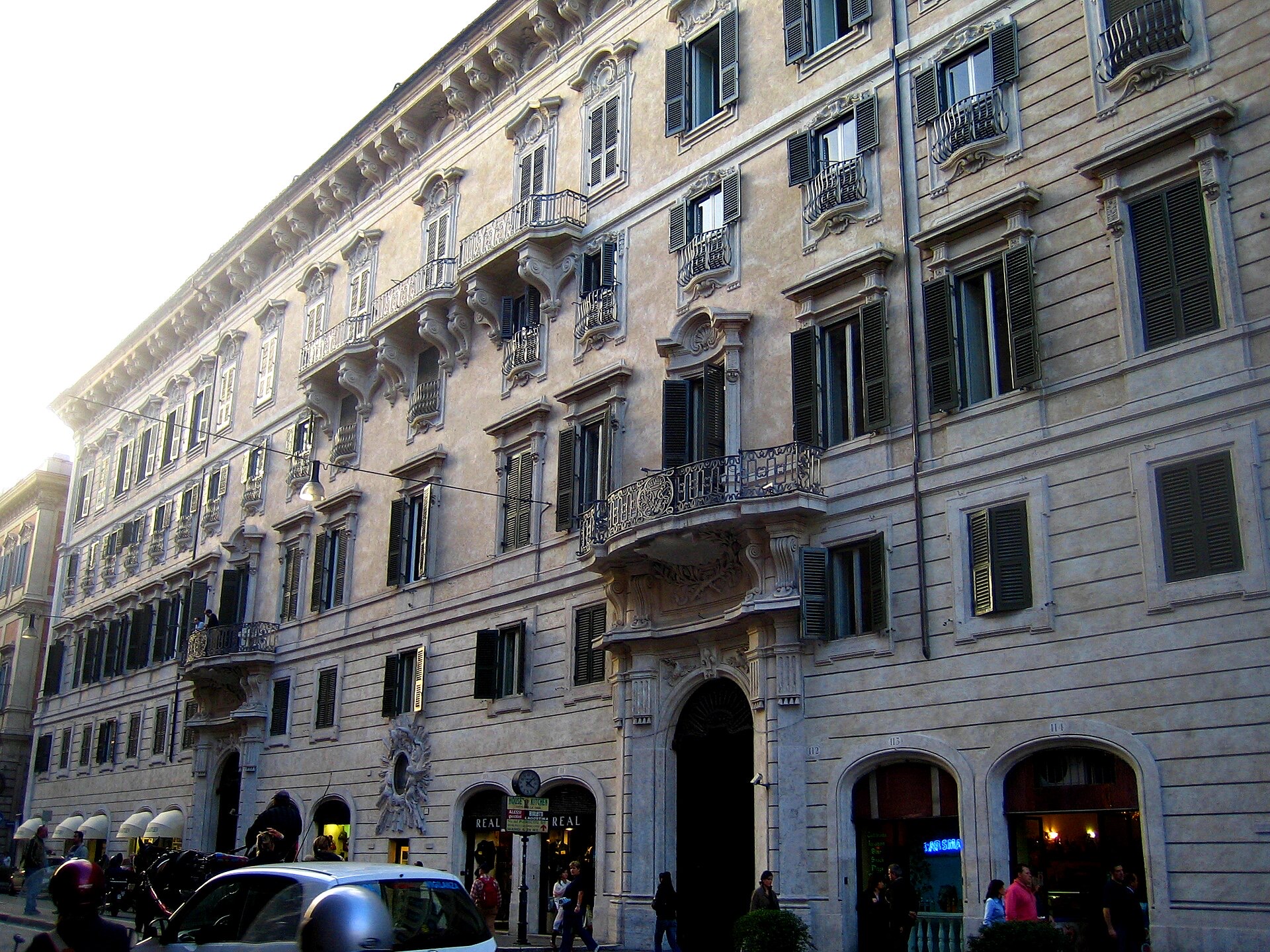
No. The Galleria Doria Pamphilj is the museum open to the public, while the Palazzo Doria Pamphilj on the Via del Corso is the larger palace of which the gallery forms part. The museum entrance is on Via del Corso, and the family still lives in parts of the same building.
Is the Doria Pamphilj gallery free on the first Sunday of the month?
State museums in Rome often join the free Sunday scheme, but the Doria Pamphilj is privately owned and does not automatically follow that rule. Check the official Doria Pamphilj website for the current admission policy, since free-entry days and times change and are not within this guide's knowledge.
Are photos allowed inside the Galleria Doria Pamphilj?
Photography without flash is generally allowed in the main gallery rooms for personal use, but rules differ in the private apartments and temporary exhibitions. The official site states the current photography policy, check it before your visit to avoid problems with the attendants.
How far is the Galleria Doria Pamphilj from the Pantheon?
The gallery is about 600 metres from the Pantheon, a five to eight minute walk on foot as an editorial estimate. You can combine the two in one morning, but the Pantheon rewards an early visit too, so decide which one gets your first hour. The walk passes through the pedestrian area around Piazza di Pietra, which is easy to navigate.
Is the Galleria Doria Pamphilj good on a rainy day?
Yes, it is one of the better all-weather choices in central Rome because the whole route is indoors and the palace keeps a stable temperature. The rooms are not oversized, so on a wet day it fills up faster, book the earliest available slot. Combine it with the Palazzo Altemps, also indoors and five minutes away on foot.
Can you see the Velazquez portrait of Pope Innocent X at the Doria Pamphilj?
Yes, the Velazquez portrait of Innocent X is on permanent display in the Sala di Velazquez, a small room that is part of the main gallery route. The same room shows the bust of Innocent X by Bernini, letting you compare the two artists' readings of the same pope. The painting is the single work most visitors come to see, so the room is usually busy but not crowded.
Best tours and tickets
Curated selection. We may earn a commission if you book, at no extra cost to you.

Rome: Doria Pamphilj Gallery Entry Ticket

Frequently asked questions
Is Galleria Doria Pamphilj worth visiting?
How long do you need at the Doria Pamphilj?
Do you need to book tickets in advance?
What is the most famous work in the gallery?
Can you combine the Doria Pamphilj with the Pantheon?
Is the Doria Pamphilj accessible for wheelchairs?
Latest news
Rome Museums in 2026: New Rules, Closures and What to Book Before You Go
What changed at Rome's museums, archaeological sites and Vatican collections in 2026, plus what to reserve and which official pages to check.
Read more →Rome Museum News: Vatican Museums, Colosseum and New Heritage Rules for Autumn 2026
New heritage rules, exhibitions and ticketing changes in Rome museums. What travelers need to book now for autumn 2026.
Read more →Kandinsky Exhibition in Rome Adds Gabriele Münter Section at Palazzo Bonaparte
Rome's Kandinsky exhibition at Palazzo Bonaparte now includes a section on Gabriele Münter, his companion and a major Expressionist painter in her own
Read more →Velázquez's Innocent X and Algardi's Porphyry Bust: Why One Small Room at the Doria
The Velázquez Cabinet at the Doria Pamphilj Gallery pairs the 1650 Portrait of Pope Innocent X with Algardi's porphyry and bronze bust of the same pope.
Read more →All prices and times on this page are ESTIMATES and change often. They are a starting point from an independent editor, never official or guaranteed figures. Always check the final price and the opening hours with the official venue or operator before you book or travel.