Capitoline She-wolf: build a short Capitoline route
Open with the answer
<!-- attraction:answer --> The Capitoline She-wolf is worth the Capitoline MuseumsMusei CapitoliniThe Musei Capitolini are the civic museums on the Capitoline Hill, housed in the Palazzo dei Conservatori and the Palazzo Nuovo on Michelangelo's square. They hold the Capitoline She-wolf and the bronze Marcus Aurelius. ticket, but a private guide solves no real problem. The museum publishes no evidence of persistent queues, so skip-the-lineSkip the lineSkip the line in Rome usually means a pre-booked timed ticket that avoids the ticket-office queue, not the security queue. At the Vatican Museums and the Colosseum, security screening applies to everyone. value does not exist. You control the route yourself, linking the She-wolf to the equestrian Marcus Aurelius and the PinacotecaPinacotecaA pinacoteca is a painting gallery, as opposed to a collection of sculpture or antiquities. The Vatican Pinacoteca and the Capitoline Pinacoteca are separate wings within their museums. upstairs in a two-hour visit that fits your attention span.
Is it worth it?
<!-- attraction:worth --> The She-wolf delivers symbolic weight, not scale. At 75 cm tall, the bronze fits a single display case. The Capitoline Museums website confirms the piece dates to the 5th century BC and attributes it to Etruscan or Magna Graecia workshops. The twins were added later, possibly by Pollaiolo during MichelangeloMichelangeloMichelangelo Buonarroti (1475 to 1564) painted the Sistine Chapel ceiling and the Last Judgement, designed the dome of St Peter's and laid out the Capitoline square. In Rome he is an architect as much as a painter.'s architectural interventions. The donation by Sixtus IV moved the statue to the Capitoline Hill, where it became the emblem of the city.
The case for visiting rests on the complete Capitoline collection, not one sculpture. You see the She-wolf, the equestrian Marcus Aurelius, the Dying Gaul and the Capitoline Venus in a single ticket. The case against is size. If you picture a room-dominating bronze, recalibrate. The piece works as a route anchor only when you add the Fasti inscriptions and the palace architecture around it.
Skip the Capitoline Museums entirely if you prioritize the Vatican collections or the Borghese GalleryGalleria BorgheseThe Galleria Borghese is the state museum in the Borghese villa holding Bernini's sculptures and the Caravaggio paintings collected by Cardinal Scipione Borghese. Entry is by reserved two-hour slot only., both of which concentrate higher-value art in tighter circuits.
What you actually see and do
<!-- attraction:experience --> You enter the Palazzo dei Conservatori and climb the staircase to the Sala della Lupa. The She-wolf stands alone in a climate-controlled case, lit from above. The bronze shows wear, the surface patina uneven. The twins, added in the RenaissanceRenaissanceThe Renaissance in Rome is the papal art of the late fifteenth and early sixteenth centuries: the Sistine Chapel, the Raphael Rooms and the new St Peter's. Its Roman phase is called the High Renaissance., break the austere line of the ancient wolf. The official museum page notes the twins transformed the Lateran symbol of justice into Mater Romanorum, mother of the Romans.
The same hall holds the Consular and Triumphal Capitoline Fasti, marble slabs recording Roman magistrates and military victories. These inscriptions teach you more about how Rome constructed its origin story than the wolf itself. The coffered ceiling, also documented on the museum website, dates to the palace renovations and frames the room's ceremonial role.
After the She-wolf, walk to the courtyard to see the fragments of the Colossus of Constantine, then cross the piazza to Palazzo Nuovo for the Dying Gaul and the Hall of the Emperors. The Pinacoteca on the second floor of Palazzo dei Conservatori holds CaravaggioCaravaggioCaravaggio, born Michelangelo Merisi in Milan in 1571 and dead at Porto Ercole in 1610, is the painter of dramatic light whose Roman years left works in the Borghese, the Doria Pamphilj, Palazzo Barberini and three ch... and Titian if painting matters more than sculpture.
How long it takes and when to go
<!-- attraction:timing --> A focused route covering the She-wolf, the Marcus Aurelius, the Dying Gaul and the Pinacoteca takes two hours. Add 30 minutes if you read every Fasti inscription or spend time in the Hall of the Emperors. The Capitoline Museums website does not publish crowd forecasts or recommend specific visit times, so check their official visit page for current conditions.
The museum announces closures and renovations on its homepage. Temporary exhibitions, such as the Diego Rivera show at Villa Caffarelli mentioned in the museum's news section, sometimes require separate tickets or timed slotsTimed entry slotA fascia oraria is the entry window printed on a Rome museum ticket. It fixes when you may enter, and at some museums how long you may stay..
No timed entry governs the permanent collection, so you control the start time and the route order. A private guide locks you into a fixed itinerary, and the museum rarely has queues long enough to justify skip-the-line access. The MIC cardMIC CardThe MIC Card is the annual card of Rome's civic museums for residents and students in the city, giving unlimited entry to the Musei in Comune, including the Capitoline Museums. Tourists cannot buy it., priced at €5 according to the official museum website, grants free entry to the Sistema Musei di Roma Capitale for 12 months, worthwhile if you plan to visit multiple civic museumsMusei in ComuneMusei in Comune is the network of museums owned by the city of Rome, run by the Sovrintendenza Capitolina and separate from the state museums. The Capitoline Museums, Centrale Montemartini and the Ara Pacis belong to it..
How to get there
<!-- attraction:access --> The Capitoline Museums sit on the Capitoline Hill, accessible from central Rome. The museum's official website does not detail specific Metro lines, bus routes or stop names for transport connections, so verify the current route on Rome's public transport site or the museum's visit page before you travel.
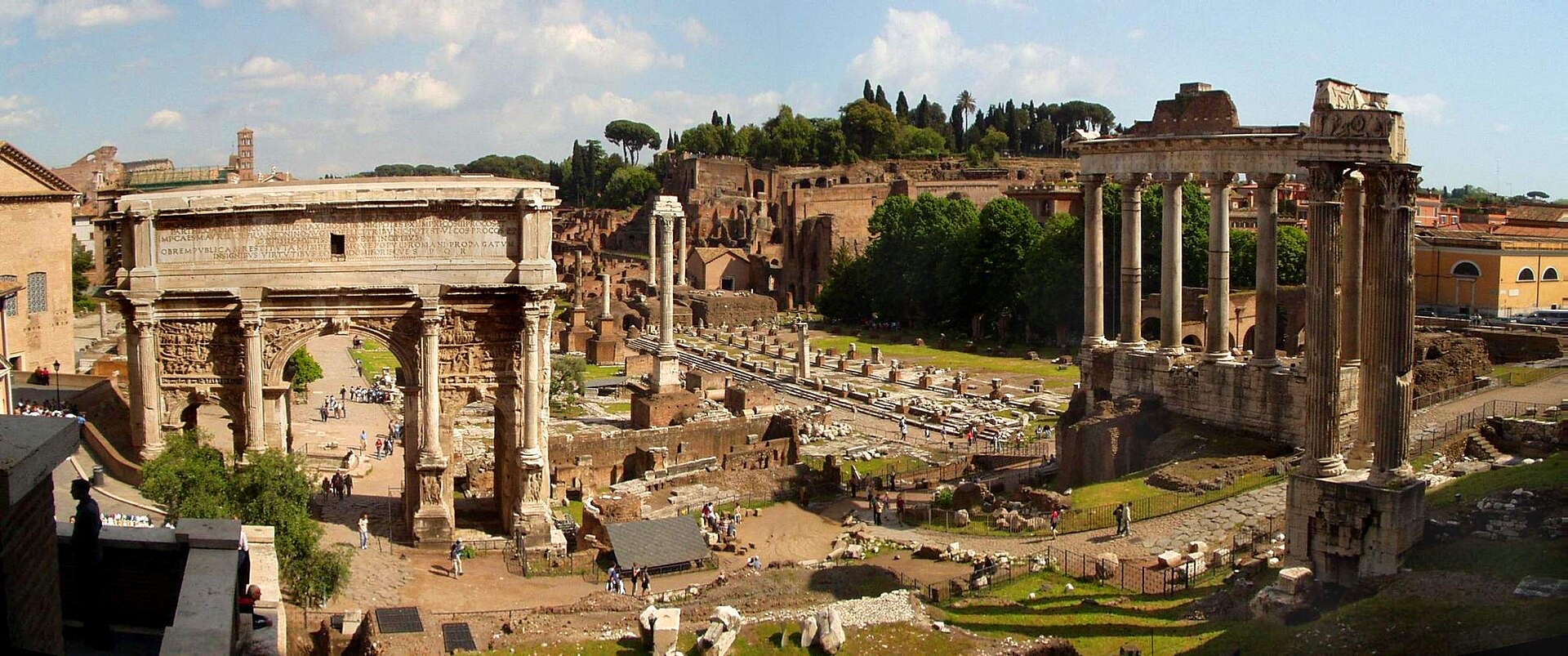
The hill itself rises behind Piazza Venezia. You can walk from the Roman Forum or climb the Cordonata, the ramp Michelangelo designed, which leads directly to Piazza del Campidoglio. The approach on foot from the Forum takes about 10 minutes uphill, longer if you stop at viewpoints.
The museums occupy two palaces facing each other across the piazza. Palazzo dei Conservatori, where the She-wolf resides, stands on the right as you face the square. Palazzo Nuovo, connected by an underground gallery, holds the Dying Gaul and the portrait busts. A single ticket admits you to both buildings, but confirm the route and entry point on the official Capitoline Museums page, because temporary exhibitions or works sometimes redirect the entrance.
What to know before you go
<!-- attraction:practical --> The Capitoline Museums do not publish photography rules or bag-size restrictions on the English pages supplied here, so check the official visit information before you pack. Large backpacks often require coat-check deposit at Roman museums, though the specific policy for the Capitoline is not confirmed in these sources.
Accessibility details for visitors with mobility needs appear on the museum's dedicated accessibility page, linked from the homepage but not excerpted in full here. Contact the museum directly through their official site if you need lift access, wheelchair routes or accessible restrooms.
The biggest mistake is treating the She-wolf as a standalone sight. The bronze takes 90 seconds to view. The route you build around it, linking the Fasti, the Constantine fragments and the Pinacoteca, decides whether the ticket justified the climb. The second mistake is hiring a guide to solve a queue problem that does not exist. The museum's own news feed shows no pattern of long waits, and the permanent collection has no timed slots to navigate.
Bring water, because the palazzo rooms hold no cafés between the entrance and the terrace.
Who it suits
<!-- attraction:fit --> First-timers to Rome should visit the Capitoline Museums if they have already booked the Vatican and the Colosseum, not instead of them. The She-wolf offers symbolic completion, not revelation.
Families with children under 10 will find the bronze too small and static to compete with the Colosseum's arena floorArena floor accessArena floor access is the Colosseum option that lets visitors walk onto the reconstructed wooden floor at the level of the gladiators, through the Gladiator's Gate. It is sold as an add-on or as part of the Full Exper... or the Villa Borghese gardens. Older children studying Roman history gain more from the Fasti inscriptions than the wolf.
Couples building a Michelangelo itinerary should combine the Capitoline piazza, a Michelangelo design, with the museums in one morning, then move to Santa Maria sopra Minerva for the Risen Christ sculpture.
Repeat visitors to Rome use the Capitoline Museums to fill gaps, accessing the Pinacoteca paintings or the coin collection on upper floors that first-timers skip.
Rainy days suit the museums well, because the route stays entirely indoors once you enter, and the underground passage between palaces keeps you dry when moving between the Conservatori and Palazzo Nuovo wings.
Official sources
- https://www.museicapitolini.org/en/opera/lupa-capitolina
- https://www.museicapitolini.org/en
Best tours and tickets
Curated selection. We may earn a commission if you book, at no extra cost to you.

Capitoline Museum Experience with Multimedia Video

Tour of St Peter's Basilica with Dome Climb and Grottoes
Frequently asked questions
Is the Capitoline She-wolf the original bronze or a copy?
Do I need to book tickets in advance for the Capitoline Museums?
How much does it cost to visit the Capitoline She-wolf?
Can I see the She-wolf and the Colosseum in the same morning?
Is a guided tour worth it for the Capitoline Museums?
What else is in the Hall of the She-wolf besides the bronze?
Related guides
Rome Museums in Late 2026: What Actually Changes for Bookings and Timed Entry
What late 2026 changes mean for Rome museum bookings, timed slots and archaeological site visits, with official pages to confirm before you travel.
Read more →Rome Museums in 2026: New Rules, Closures and What to Book Before You Go
What changed at Rome's museums, archaeological sites and Vatican collections in 2026, plus what to reserve and which official pages to check.
Read more →Rome Museums This Week: New Tiepolo Prints in Turin and What Else Changes for October
New Tiepolo print show in Turin, De Sica documentary on Sky Arte and what Rome visitors should book ahead this October.
Read more →Sappho Exhibition Opens on the Palatine Hill in Rome: What to Know Before You Go
A new exhibition on the poet Sappho opens on the Palatine Hill in Rome from 15 October, with 40 works. Ticket and access details to confirm with the
Read more →Fayum Portrait Restored: 'Tondo dei Due Fratelli' Goes on Show at Rome's Ara Pacis from 5
A restored Fayum portrait, the Tondo dei due Fratelli, goes on display at Rome's Museo dell'Ara Pacis from 5 November. What travelers should plan for.
Read more →Rome Museums in October 2026: What Is Actually Worth Booking This Month
October 2026 Rome museum planning: what the latest Italian art news changes for your trip, plus where reservations still matter and what to skip.
Read more →All prices and times on this page are ESTIMATES and change often. They are a starting point from an independent editor, never official or guaranteed figures. Always check the final price and the opening hours with the official venue or operator before you book or travel.