Ostia Antica: Complete Guide to Visiting Rome's Ancient Port
Is Ostia Antica worth visiting?
Ostia AnticaParco archeologico di Ostia anticaThe Parco archeologico di Ostia antica is the state site covering the ancient port city of Rome at the mouth of the Tiber, plus the harbours of Claudius and Trajan and the Portus necropolis. is worth a visit for travelers wanting a close-up encounter with Roman daily life and architecture. The experience is very different from the Colosseum or Forum: it is more spread out and covers everything from apartment blocks to shops, baths, a theater, and painted tavern walls. If you have limited time and are focused on the “famous” ruins, the city-center sites may satisfy you. But Ostia rewards patience and independent exploration, making it especially appealing if you prefer fewer crowds and tangible details over grand monuments.
Families and those with a real interest in Roman history will get the most from a day here. Visitors sensitive to sun and uneven terrain may find it less accessible. In wet weather, some paths can get muddy.
What to see: essential route and highlights
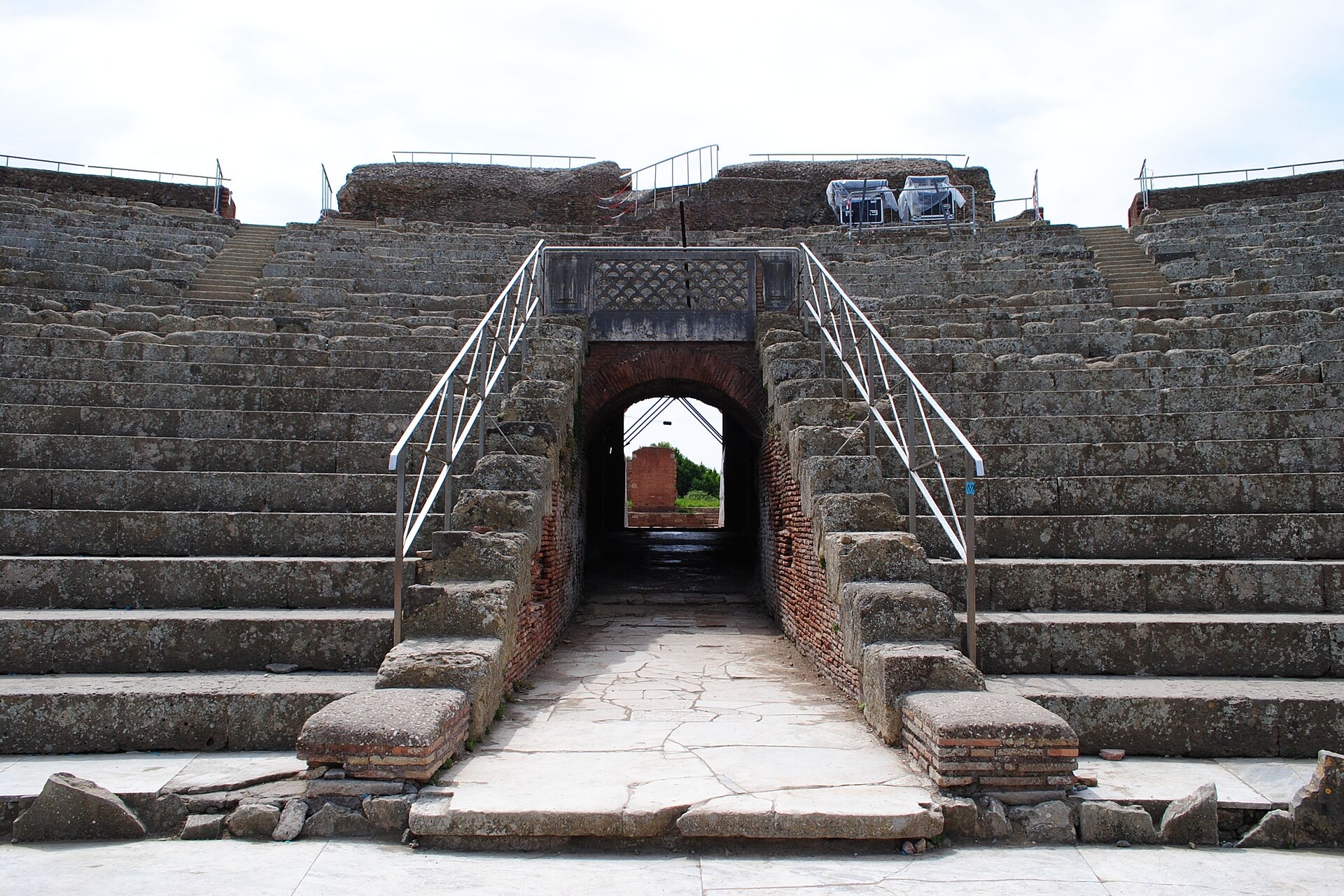
The most meaningful way to see Ostia Antica is to walk from the main entrance up the original Roman road, the Decumanus Maximus. Key stops include the Baths of Neptune with mosaic floors, the Capitolium temple, the ancient theatre (where you can often climb up for an overview), and several apartment blocks (insulae) showing rare multistory Roman building techniques.
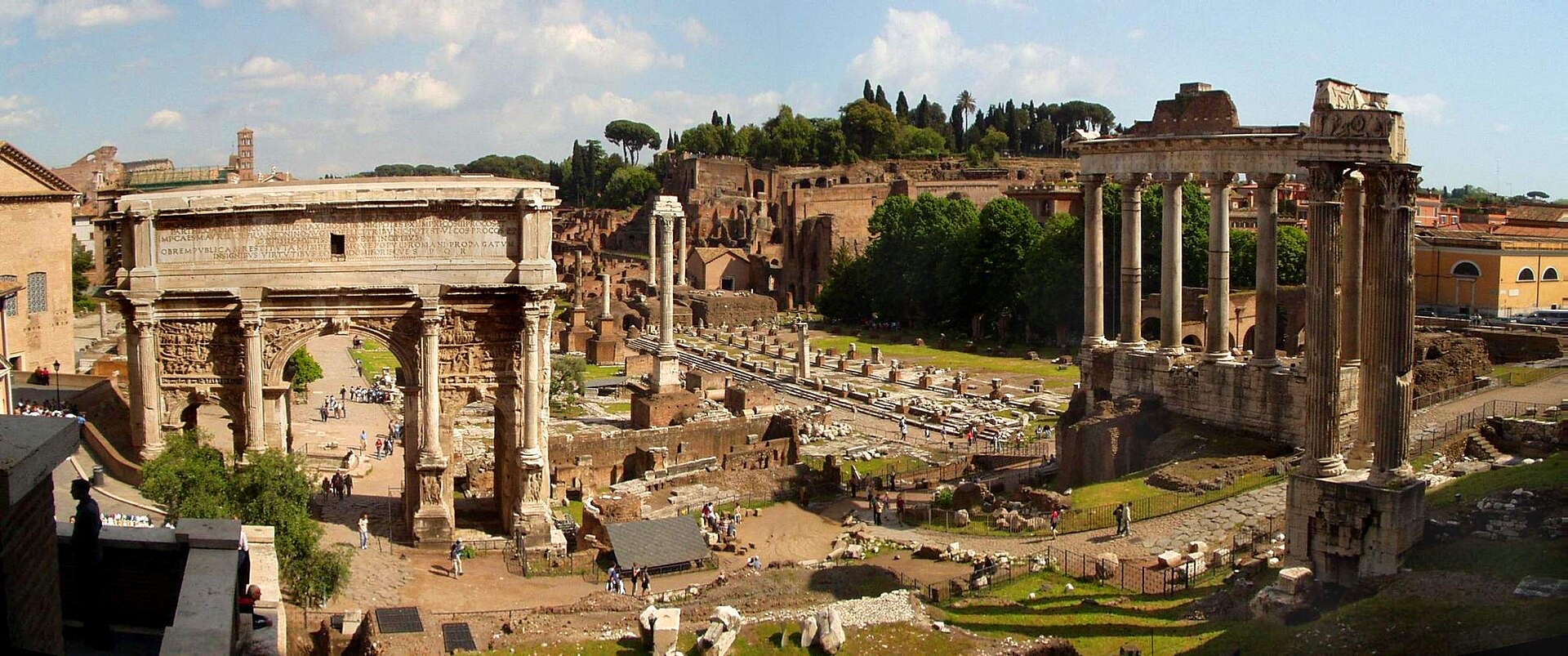
Don’t miss the "thermopolium," an ancient tavern with a marble bar counter and wall paintings, or the mosaics of the Via degli Aurighi. The forum area remains atmospheric, but it is the backstreets and minor buildings that give Ostia its character. Map out a route in advance or pick up the site plan on entry, as waymarking can be light and distances add up. If pressed for time, prioritize the main road, forum, theater, baths and adjacent houses. Skip the outlying ruins at the southern edge unless you have a strong interest in site archaeology.
How long to allow
Plan on 2-3 hours for a meaningful visit if focusing on major highlights and moving at a steady pace. An unhurried half day (about 4 hours, editorial estimate) allows you to see mosaics, pause at the theatre, and wander side streets without backtracking. Only dedicate a full day if you are researching Roman urbanism or want to examine every building. Take breaks at shaded areas, as on-site benches are not frequent.
Tickets and entry: what to expect
Ostia Antica is run as a major archaeological parkArea archeologicaAn area archeologica is an open-air archaeological site managed like a museum, with tickets, opening hours and routes. In Rome the label covers the Forum, the Palatine, Ostia Antica and the Baths of Caracalla.. Timed ticketing may be in place especially during peak travel periods or special exhibitions, so check the Parco Archeologico di Ostia Antica official website before your visit for any requirement to book ahead. Security checks are standard, but queues are usually shorter than city-center Roman sites. Only buy tickets from official sources, not from touts outside the complex or at nearby train stations. For current prices and rules, always verify with the official site, as admission conditions can change without notice.
Large bags may be refused entry or require storage. Photography is generally allowed outdoors but check for restrictions inside museum spaces or temporary exhibitions, if open.
How to combine it: related visits and itinerary advice
Ostia Antica pairs well with a half day at the nearby Borgo di Ostia Antica or a walk along the ancient Via Ostiense. If you want to deepen your understanding of ancient daily life, the National Roman Museum (Museo Nazionale Romano) in central Rome offers complementary finds from Ostia and other urban sites.
For visitors tight on time, choose between a visit to Ostia Antica and the combined Forum/Palatine/Colosseum in central Rome. If you want a wider archaeological context, Ostia is more complete as a preserved urban area than the Forum’s mainly ceremonial ruins. Skip combining Ostia Antica with another major ruin the same day unless you enjoy long walks and have high stamina.
Accessibility and families
Ostia Antica involves considerable walking, often on uneven stone ancient roads or grassy paths. Step-free routes are possible through major sectors, but not every building or area can be accessed with wheelchairs or strollers. For detailed, up-to-date accessibility information, refer directly to the official Parco Archeologico di Ostia Antica access policy. Families should bring hats, sunscreen, and snacks, as facilities within the site are basic and distances between shade and rest areas can be significant.
Mistakes to avoid
Don’t underestimate the distances: much of the site is exposed to the sun, and route-finding without a map or pre-planned stops leads to wasted energy and missed highlights. Many visitors skip the site museum near the entrance, which holds some of the best statues and mosaics from the original buildings. Also, avoid following large school groups or tour clusters, which crowd the key monuments in short bursts. Remember that not all buildings are always open due to maintenance.
Bring your own water and do not count on on-site refreshments beyond a simple café at the main entrance. Do not rely on ticket touts or unofficial guides near the train station. If you plan on using public transport, always confirm train or local bus schedules ahead of time, as service interruptions and strikes can disrupt connections.
Best tours and tickets
Curated selection. We may earn a commission if you book, at no extra cost to you.


Frequently asked questions
How do you get to Ostia Antica from Rome?
Is food available inside Ostia Antica?
Can you visit Ostia Antica without a guide?
Are dogs allowed at Ostia Antica?
How accessible is Ostia Antica?
Does Ostia Antica get crowded?
Latest news
Rome Museum News: What Actually Changed for Visitors This Autumn
The freshest Rome heritage news is thin this week: two art fairs in London and Venice, and what they mean for museum-goers planning a Rome trip.
Read more →Rome Museums in Late 2026: What Actually Changes for Bookings and Timed Entry
What late 2026 changes mean for Rome museum bookings, timed slots and archaeological site visits, with official pages to confirm before you travel.
Read more →Rome Museums in 2026: New Rules, Closures and What to Book Before You Go
What changed at Rome's museums, archaeological sites and Vatican collections in 2026, plus what to reserve and which official pages to check.
Read more →Rome Museums This Week: New Tiepolo Prints in Turin and What Else Changes for October
New Tiepolo print show in Turin, De Sica documentary on Sky Arte and what Rome visitors should book ahead this October.
Read more →All prices and times on this page are ESTIMATES and change often. They are a starting point from an independent editor, never official or guaranteed figures. Always check the final price and the opening hours with the official venue or operator before you book or travel.