Velázquez's Innocent X: why Doria Pamphilj beats the queue
Open with the answer
<!-- attraction:answer --> VelázquezDiego VelázquezDiego Velázquez (1599 to 1660), court painter to Philip IV of Spain, painted the Portrait of Pope Innocent X in Rome in 1650. It hangs in its own cabinet at the Doria Pamphilj Gallery.'s portrait of Pope Innocent X is displayed in Palazzo Doria Pamphilj, a private family palace that does not require timed-entry tickets. The painting occupies a dedicated room within the Gallery, where four wings of the collection follow an eighteenth-century hanging arrangement. For travelers already planning a Borghese or Vatican morning, this palazzo offers a less regimented afternoon than queuing again at a state museum.
Is it worth it?
<!-- attraction:worth --> The case for visiting rests on two factors. First, the Velázquez portrait is one of the few acknowledged masterpieces of seventeenth-century European painting that remains in a Roman private collection rather than a state gallery. Second, the palace imposes no advance booking window and no fixed entry slot, so it absorbs the part of your day that remains after a morning reservation elsewhere. You walk in when you arrive. The case against spending time here applies if your days in Rome are few and you have not yet seen the Sistine Chapel or the Borghese sculptures. Those collections rank above a single Velázquez, however fine. The Doria Pamphilj beats a rushed second visit to the Capitoline or a shoulder-to-shoulder lap of the Ara Pacis when your energy is already spent. It loses to the Borghese on first-timer priority, and it offers no single room as compact and resolved as the CaravaggioCaravaggioCaravaggio, born Michelangelo Merisi in Milan in 1571 and dead at Porto Ercole in 1610, is the painter of dramatic light whose Roman years left works in the Borghese, the Doria Pamphilj, Palazzo Barberini and three ch... hall in Palazzo Barberini. Skip this palace outright if portraiture bores you or if palazzo interiors feel repetitive after the third gilded ceiling.
What you actually see and do
<!-- attraction:experience --> The visit begins in the state apartments of the palace before reaching the Gallery itself, according to the institution's description of the route. The Gallery occupies four wings that overlook an internal courtyard, plus two adjoining halls named the Aldobrandini Room and the Room of the Primitives. The official site explains that the current appearance dates to a renovation completed between 1731 and 1734 under Prince Camillo Pamphilj junior, and that the hanging follows the late eighteenth-century arrangement documented in a 1767 manuscript. The Velázquez portrait hangs in a dedicated space, but the walk to reach it takes you through rooms named for their contents. The Jupiter Room holds works by Weenix, Giovannini and Contarini. The Poussin Room is filled with landscapes by Gaspard Dughet, some painted on both sides and designed to divide spaces or protect beds. The Velvet Room takes its name from damasked fabric on the walls. The palazzo blends additions from five centuries, involving noble families from Della Rovere to Aldobrandini, Pamphilj, Doria, and others, according to the official history. What is oversold is the idea that every painting demands equal attention. Most visitors come for the Velázquez and leave satisfied.
How long it takes and when to go
<!-- attraction:timing --> A focused visit that prioritizes the Velázquez and walks the four main wings without reading every label takes about 90 minutes. If you add the state apartments and linger in the Poussin Room, allow two hours. The absence of timed entryTimed entry slotA fascia oraria is the entry window printed on a Rome museum ticket. It fixes when you may enter, and at some museums how long you may stay. means you control the start, but it also means the gallery cannot artificially cap numbers the way the Borghese does. On a practical level, this palazzo works best as an afternoon Plan B. You book the Borghese or the Vatican for a fixed morning slot, finish that visit by midday, then walk to Doria Pamphilj without racing another reservation clock. If the slot system at state museums annoys you, the flexibility here is the entire point. If you prefer the discipline of a scheduled entry, the lack of structure may feel aimless.
How to get there
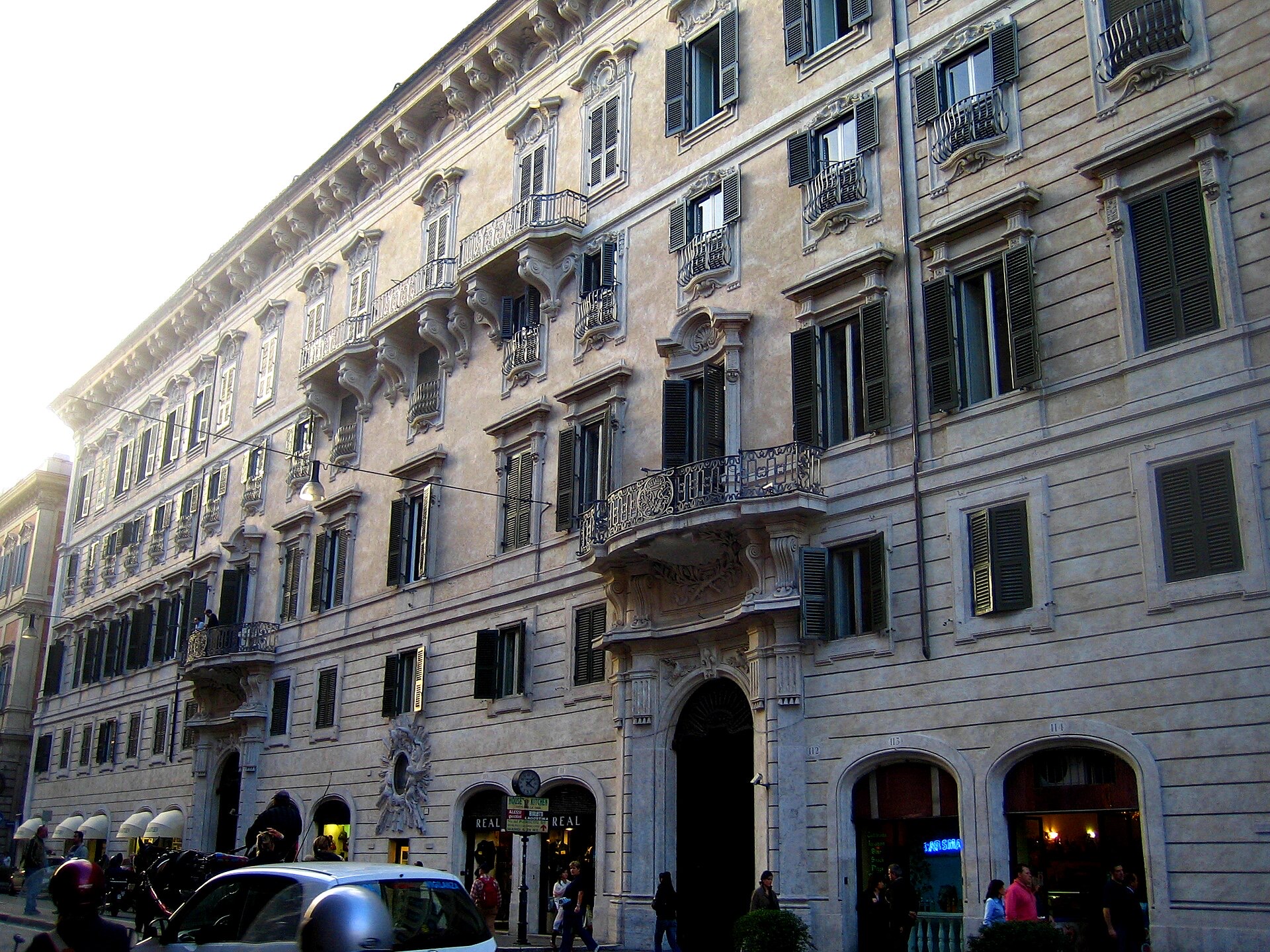
<!-- attraction:access --> Palazzo Doria Pamphilj stands in central Rome, and the official site names its locations in Rome and Genoa but does not publish detailed transport instructions in the supplied material. The palazzo is within walking distance of Piazza Venezia and the Trevi Fountain, so most visitors reach it on foot from other central attractions rather than by metro. If you are coming from Termini or another metro-served district, check the Doria Pamphilj official site for the nearest stop and walking route rather than relying on a generic map. The palace occupies a large block, and its entrance is not always obvious from the street if you approach from the wrong side. Fiumicino and Ciampino airports are not mentioned in the supplied sources, and the connection from either terminal involves a train or bus to the city center followed by a walk or local transit. Do not expect a direct airport shuttle to the palazzo. The walk from the Pantheon takes about 10 minutes, and from Piazza Navona about the same, but confirm the current entrance location on the official page before you set out.
What to know before you go
<!-- attraction:practical --> The official site directs ticket inquiries to a dedicated page at doriapamphilj.it, but the supplied material does not state prices, opening hours or closure days. Check those details on the institution's visit page rather than assuming it follows state-museum schedules. The palazzo is still a private family residence in part, so access rules and closed rooms can change. Bring a photo ID if you are purchasing a resident or reduced ticketReduced ticketRidotto is the reduced fare of an Italian state museum, typically for EU citizens aged 18 to 25 with an ID. Under-18s usually enter free but still need a ticket., though the exact policies are not given in the sources. The 1767 hanging arrangement means paintings are stacked floor to ceiling in some rooms, so prepared to look up. The mistake most visitors make is trying to read every label in every wing. The palace holds hundreds of works, and many are minor. Decide in advance whether you came for the Velázquez alone or the entire collection, then route yourself accordingly. Photography policies are not specified in the supplied sources, so ask at the desk when you enter. Accessibility details for wheelchairs or strollers do not appear in the material provided, so confirm step-free access on the official site if you need it. Weather matters less here than at the Forum or Palatine, since the route is indoors, but the palace has no climate control in every room and summer heat can make the upper galleries uncomfortable.
Who it suits
<!-- attraction:fit --> First-timers to Rome should see the Sistine Chapel, the Borghese and the Forum before spending an afternoon here, but if you have a third or fourth day and want a portrait masterpiece without another queue, the Doria Pamphilj delivers. Families with children under ten will find limited appeal unless the child already cares about painting technique, since there are no gladiators, no fountains and no hands-on elements. Couples who enjoyed the Borghese but want a quieter palazzo experience will appreciate the flexibility and the lack of a countdown clock. Repeat visitors to Rome who have already covered the state collections will value the Velázquez and the chance to see a private family gallery that remains in its historical arrangement. Rain days suit this palazzo perfectly, since the entire visit is indoors and the lack of timed entry means you can wait out a downpour elsewhere and still get in.
Official sources
- https://www.doriapamphilj.it/en/rome/the-place/the-gallery/
- https://www.doriapamphilj.it/en/
Best tours and tickets
Curated selection. We may earn a commission if you book, at no extra cost to you.

Rome: Doria Pamphilj Gallery Entry Ticket

Tour of St Peter's Basilica with Dome Climb and Grottoes
Frequently asked questions
Do I need to book a timed slot for the Doria Pamphilj Gallery?
Where exactly is the Velázquez portrait displayed in the palace?
How much time should I allow for the Doria Pamphilj Gallery?
Is the Doria Pamphilj worth visiting if I have already seen the Borghese?
Can I take photographs of the Velázquez portrait?
What is the best way to reach Palazzo Doria Pamphilj from central Rome?
Related guides
Rome Museums in 2026: New Rules, Closures and What to Book Before You Go
What changed at Rome's museums, archaeological sites and Vatican collections in 2026, plus what to reserve and which official pages to check.
Read more →Rome Museum News: Vatican Museums, Colosseum and New Heritage Rules for Autumn 2026
New heritage rules, exhibitions and ticketing changes in Rome museums. What travelers need to book now for autumn 2026.
Read more →Kandinsky Exhibition in Rome Adds Gabriele Münter Section at Palazzo Bonaparte
Rome's Kandinsky exhibition at Palazzo Bonaparte now includes a section on Gabriele Münter, his companion and a major Expressionist painter in her own
Read more →Velázquez's Innocent X and Algardi's Porphyry Bust: Why One Small Room at the Doria
The Velázquez Cabinet at the Doria Pamphilj Gallery pairs the 1650 Portrait of Pope Innocent X with Algardi's porphyry and bronze bust of the same pope.
Read more →Rome Museums and Archaeological Sites: Key Access Changes and Visitor Tips for 2026
Updated rules, ticketing and closures for Rome's top museums and archaeological sites advised for 2026 visitors.
Read more →All prices and times on this page are ESTIMATES and change often. They are a starting point from an independent editor, never official or guaranteed figures. Always check the final price and the opening hours with the official venue or operator before you book or travel.