Capitoline Museums Guide: What to See and How to Visit in 2026
Is Capitoline Museums worth visiting?
If you want a concentrated journey into Rome’s ancient history and its mythology, the Capitoline MuseumsMusei CapitoliniThe Musei Capitolini are the civic museums on the Capitoline Hill, housed in the Palazzo dei Conservatori and the Palazzo Nuovo on Michelangelo's square. They hold the Capitoline She-wolf and the bronze Marcus Aurelius. are worth your time. The collection is compact yet packed with foundation legends and power symbols like the she-wolf and Marcus Aurelius’ equestrian portrait. Lovers of sculpture, archaeology, and early city history get more from this visit than from grander but less focused venues.
If your aim is mainly Old Master painting, or you care little for ancient monuments, skip this for the Borghese GalleryGalleria BorgheseThe Galleria Borghese is the state museum in the Borghese villa holding Bernini's sculptures and the Caravaggio paintings collected by Cardinal Scipione Borghese. Entry is by reserved two-hour slot only. or Palazzo Barberini. Families and casual visitors may find the displays dense, but the central location makes it easy to combine with a walk through the Forum area.
What are the highlights at Capitoline Museums?
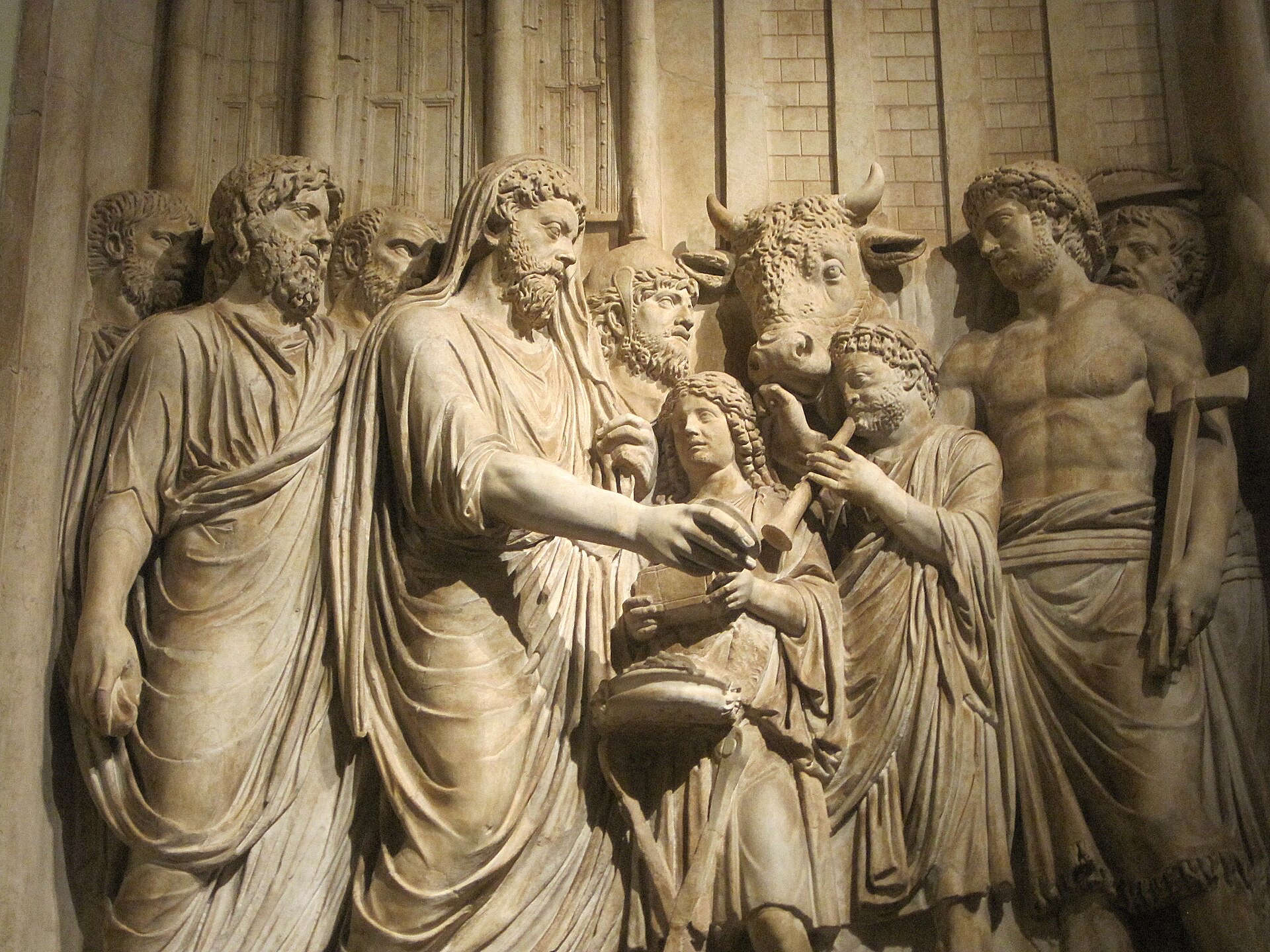
The essential path starts in the Piazza del Campidoglio, designed by MichelangeloMichelangeloMichelangelo Buonarroti (1475 to 1564) painted the Sistine Chapel ceiling and the Last Judgement, designed the dome of St Peter's and laid out the Capitoline square. In Rome he is an architect as much as a painter.. Head into the Palazzo dei Conservatori to find the famous bronze Capitoline Wolf and the deeply worn bronze head of Constantine. The next stop is the courtyard, where the breathtakingly lifelike Marcus Aurelius statue stands. From there, make time for the Hall of the Horatii and Curiatii with its early Roman reliefs and the utterly Roman Dying Gaul sculpture.
Cross the underground tunnel to Palazzo Nuovo. Here, see the colossal Marforio statue and the Hall of Philosophers. Move at a measured pace and take short breaks. Avoid trying to see every minor bust or inscription: stick to these major points to avoid overload. If you prefer paintings, there are works by CaravaggioCaravaggioCaravaggio, born Michelangelo Merisi in Milan in 1571 and dead at Porto Ercole in 1610, is the painter of dramatic light whose Roman years left works in the Borghese, the Doria Pamphilj, Palazzo Barberini and three ch... and Rubens, but the sculpture collection is the showpiece.
How long to allow for Capitoline Museums?
A focused visit takes about 2-2.5 hours for most travelers. Intense sculpture fans and those reading all panels may push it to 3 hours. The museum is compact but dense, speeding through in under 90 minutes means missing context and many details.
Families and those combining it with a Forum walk may plan for a shorter highlight pass of 60-90 minutes, but this risks skipping statues or rooms that define the collection. The museum is not as sprawling as the Vatican or Borghese, so a half day is more than enough, even at a slow pace.
How do tickets and entry work at Capitoline Museums?
Check the official Capitoline Museums website for current ticket prices, admission hours, closures, and booking options. Timed entry slotsTimed entry slotA fascia oraria is the entry window printed on a Rome museum ticket. It fixes when you may enter, and at some museums how long you may stay. are sometimes required during busy periods. Security screening is standard, so allow for a short queue before entering.
If you are visiting on a day with free or discounted entry (as announced on the Capitoline Museums’ official channels), expect heavier crowds, especially in the first hours or on holiday weekends. Booking ahead through the official museiincomuneroma.it site is recommended when available, especially if you want a morning slot.
Can Capitoline Museums be combined with another site in a day?
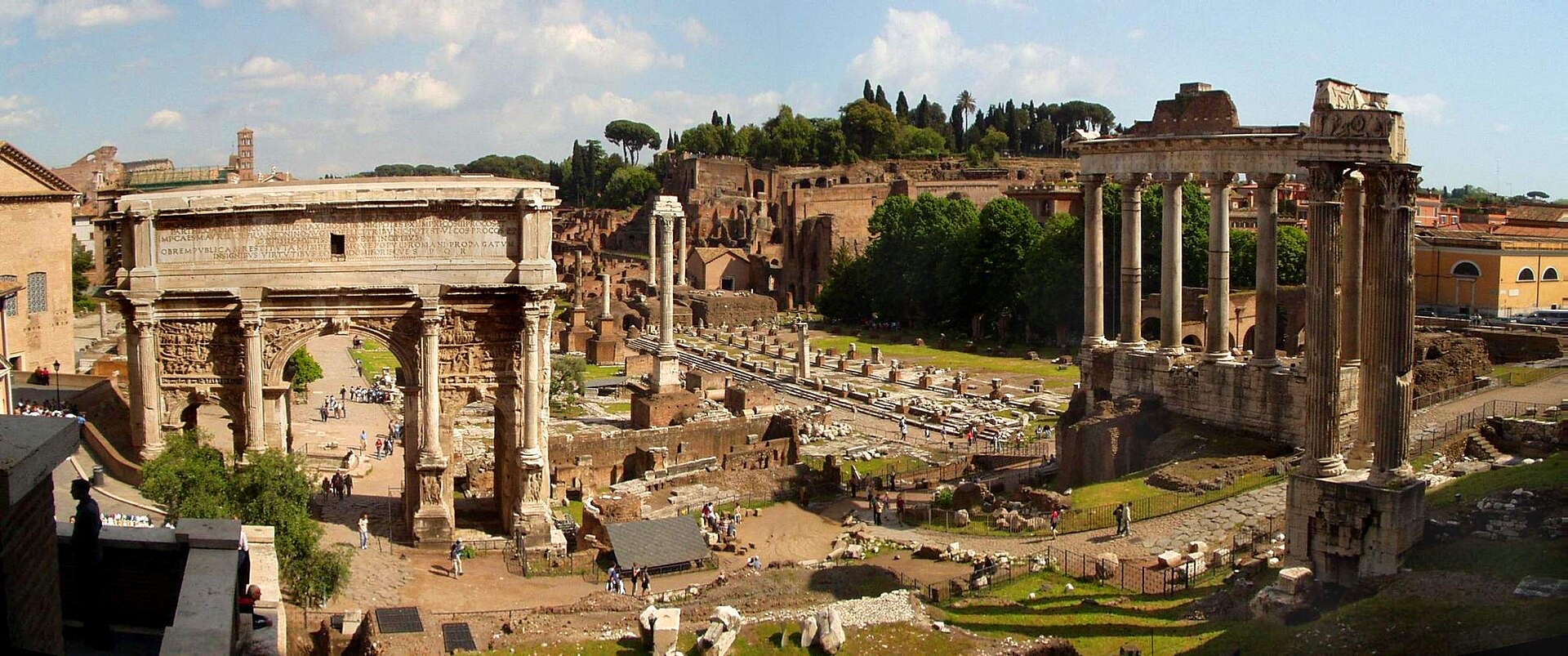
Yes, its location above the Forum makes it ideal to pair with a walk across the Roman Forum or down to the Theatre of Marcellus. If you want a wider painting collection, combine it with Palazzo Doria Pamphilj nearby, but not the Vatican Museums, they are too time-consuming together. For archaeological fans, the nearby Centrale Montemartini offers ancient art in an industrial setting, which is completely distinct from the Capitoline’s approach.
If time is tight or you dislike long museum days, skip doubling up on indoor collections and explore the Campidoglio’s piazza and Forum viewpoints in the afternoon instead.
Accessibility and families: what should you know?
According to the Capitoline Museums’ official information, primary galleries and connecting tunnels offer step-free routes and elevators for mobility aid users. Older exhibition floors and some smaller rooms may be crowded and can require staff assistance for accessibility.
Facilities for families include baby-changing areas and a café, but very young children may tire quickly as the displays are sculpture-heavy and text-focused, with few interactive elements. Always verify the most current accessibility services via the official website or at the ticket counter, as minor floor layouts and elevator access points can change without notice.
Common mistakes to avoid at Capitoline Museums
Many visitors rush through the museum, treating it as a quick photo stop, this misses the depth and story of key pieces like the Dying Gaul. Another error is skipping the tunnel between palaces, which contains unique views and displays. Forgetting to check whether parts of the museum are under restoration or closed for events can disrupt your visit, so always consult the onsite signage and official site before arrival.
Booking only on arrival can lead to waiting, especially on weekends or discount days, and squeezing it in after a long day elsewhere leads to museum fatigue. Choose a realistic number of rooms and pace accordingly, the best experience comes from curating your own shorter route instead of ticking every room off a map.
Best tours and tickets
Curated selection. We may earn a commission if you book, at no extra cost to you.

Capitoline Museum Experience with Multimedia Video

Rome: Colosseum, Roman Forum and Palatine Hill Guided Tour
Frequently asked questions
Can you visit the Capitoline Museums without a reservation?
Are there guided tours available at Capitoline Museums?
Do the Capitoline Museums have wheelchair access?
Is photography allowed in the Capitoline Museums?
How early should you arrive before your booked slot?
Are the Capitoline Museums good for children?
Latest news
Rome Museums in Late 2026: What Actually Changes for Bookings and Timed Entry
What late 2026 changes mean for Rome museum bookings, timed slots and archaeological site visits, with official pages to confirm before you travel.
Read more →Rome Museums in 2026: New Rules, Closures and What to Book Before You Go
What changed at Rome's museums, archaeological sites and Vatican collections in 2026, plus what to reserve and which official pages to check.
Read more →Rome Museums This Week: New Tiepolo Prints in Turin and What Else Changes for October
New Tiepolo print show in Turin, De Sica documentary on Sky Arte and what Rome visitors should book ahead this October.
Read more →Sappho Exhibition Opens on the Palatine Hill in Rome: What to Know Before You Go
A new exhibition on the poet Sappho opens on the Palatine Hill in Rome from 15 October, with 40 works. Ticket and access details to confirm with the
Read more →All prices and times on this page are ESTIMATES and change often. They are a starting point from an independent editor, never official or guaranteed figures. Always check the final price and the opening hours with the official venue or operator before you book or travel.