Passetto di Borgo: the guided walk that needs its own slot
Open with the answer
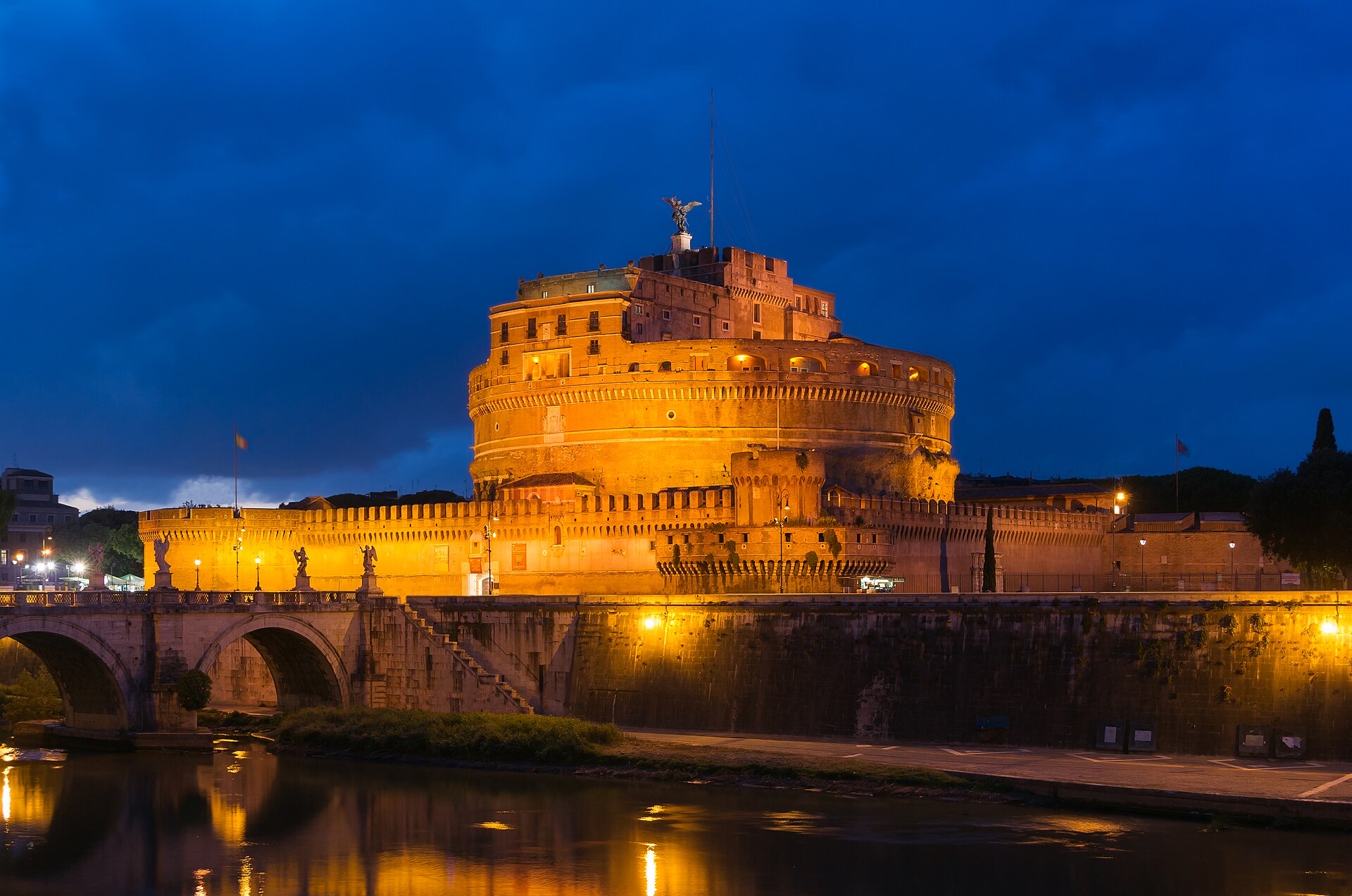
<!-- attraction:answer --> Passetto di BorgoPassetto di BorgoThe Passetto di Borgo is the elevated corridor running along the wall from the Vatican to Castel Sant'Angelo, built as the popes' escape route. It opens only for guided visits. opens only on scheduled guided visitsGuided tourA visita guidata is a visit led by a licensed guide. In Rome the licence matters: only authorised guides may lead groups inside the Vatican Museums and the Colosseum, and some restricted areas open only with one. run by Castel Sant'Angelo. You walk a 700-meter elevated stone corridor the popes used for emergency escapes between the Vatican and the fortress. The day visit continues into the castle museum afterward. The Saturday evening slot covers the passageway only and finishes outside without castle entry. Choose based on whether you want one monument or two.
Is it worth it?
<!-- attraction:worth --> The corridor itself is narrow, functional and military. The appeal is historical rather than visual. You walk where popes fled during sieges, most famously Clement VII in 1527 when imperial troops sacked Rome. The walls give partial views over Borgo rooftops but they are slit windows, not panoramas. The passetto beats a standard castle visit if you want context for papal Rome's defensive logistics, but it loses to the castle ramparts alone if you want open views and time to wander.
The day visit makes sense when the corridor is your secondary interest and you planned to tour Castel Sant'Angelo anyway. The option bundles both and saves a separate ticket queue. The Saturday evening walk suits visitors who want the escape-route story without committing two more hours to the fortress museum. Skip it entirely if you dislike guided groups or if military architecture leaves you cold. The passetto has no artworks, no frescoes, no furnishings. It is a fortified hallway.
What you actually see and do
<!-- attraction:experience --> The visit starts at Castel Sant'Angelo. A guide leads the group up stone stairs inside the fortress wall to the elevated passageway entrance. The corridor runs west above street level, its walls and roof intact for the full length. Windows pierce the outer wall at regular intervals. You stop while the guide explains the 1527 escape, the passetto's integration into Vatican fortifications, and why it remained secret for centuries.
The walk takes 15 to 20 minutes at speaking pace. The interior is bare stone, lit by natural light and added fixtures where the windows are sparse. Halfway along, the corridor narrows where later builders reinforced the structure. At the western end you reach the Vatican side near St. Peter's but you do not enter the basilica or museums. The day tour reverses back to Castel Sant'Angelo for the full museum circuit. The evening walk exits and finishes.
The castle museum adds the papal apartments, the treasury rooms, the armory collections, and multiple terrace levels. That extension changes the visit from a 20-minute corridor anecdote to a three-hour monument combination. Decide before you book which version matches your Rome itinerary.
How long it takes and when to go
<!-- attraction:timing --> The Passetto corridor walk lasts roughly 20 minutes with explanations. The day visit then continues into Castel Sant'Angelo for as long as you stay. Budget at least two hours more if you tour the castle properly, longer if you read labels or linger on the terraces. The Saturday evening walk finishes after the corridor and runs shorter overall, typically an hour start to finish including introduction time.
Visits run on fixed dates published by the Castel Sant'Angelo administration. The day option appears more frequently. The evening Saturday walks are less common and book out faster. Check the official Castel Sant'Angelo programme for the current schedule. Reservation is compulsory for both formats. Walk-up entry does not exist for the passetto.
Plan nothing immediate afterward if you choose the day visit. The castle museum sprawls across seven floors and fatigue builds faster than expected in the spiral staircases and stone galleries.
How to get there
<!-- attraction:access --> Castel Sant'Angelo sits on the north bank of the Tiber just east of the Vatican, walkable from most central hotels in 20 to 30 minutes. The entrance faces Lungotevere Castello. Metro line A stops at Ottaviano or Lepanto, both about 800 meters away on foot. Multiple bus routes serve the area but exact route numbers and stops change. Consult the ATAC Rome public transport journey planner or the official Castel Sant'Angelo visit page for current connections.
If you are staying near Termini station, the walk takes 35 to 40 minutes. Taxis drop you at the river side of the fortress. The Passetto visit requires you to meet inside the castle at the designated tour assembly point. Arrive at least 10 minutes early to pass security and locate your guide. The Saturday evening walk may use a different meeting spot. Confirm the exact gathering location when you book.
What to know before you go
<!-- attraction:practical --> Bring photo identification that matches your reservation name. Castel Sant'Angelo security scans bags and enforces the Rome monuments ban on large backpacks, tripods, and wheeled luggage. The passetto corridor has uneven stone floors and steps at both ends. No elevator reaches it. Visitors with limited mobility should confirm accessibility directly with the museum before booking.
The corridor is enclosed but not climate-controlled. In summer it holds heat. In winter it stays cold. Dress for the weather outside and wear sturdy walking shoes. Photography rules vary by tour. Some guides allow phones without flash, others prohibit shooting entirely within the corridor. Ask at the start.
The biggest mistake is booking the evening walk assuming you will see Castel Sant'Angelo's main rooms afterward. You will not. The Saturday format exits without castle access and the museum closes. Book the day visit instead if you want both monuments. Bathrooms are available at the castle before the passetto walk begins but not inside the corridor itself.
Who it suits
<!-- attraction:fit --> First-time visitors to Rome should prioritize the Vatican Museums, the Sistine Chapel, and the Forum before adding the Passetto, which delivers more if you already know the papal history. Families with children over ten manage the walk comfortably if the kids tolerate guided groups and have studied the 1527 sack background. Younger children lose interest quickly in a long stone hallway. Couples interested in RenaissanceRenaissanceThe Renaissance in Rome is the papal art of the late fifteenth and early sixteenth centuries: the Sistine Chapel, the Raphael Rooms and the new St Peter's. Its Roman phase is called the High Renaissance. Rome and military architecture will find the corridor more rewarding than those seeking romantic views, which the Castel Sant'Angelo rooftop terraces supply better. Repeat visitors who exhausted the major sites and want a lesser-known papal story get good value from the evening walk, which skips the castle museum they may have toured before. The Passetto works on rainy days because the corridor is covered, though the castle museum is large and mostly interior regardless of weather.
Official sources
- https://www.museiitaliani.it/en/museo-nazionale-di-castel-santangelo
- https://www.museiitaliani.it/en
Best tours and tickets
Curated selection. We may earn a commission if you book, at no extra cost to you.

Tour of St Peter's Basilica with Dome Climb and Grottoes

Rome: Borghese Gallery & Gardens Small Group Guided Tour

Pantheon Elite Guided Tour - Rome's Iconic Ancient Temple


Rome: Semiprivate or Group Tour Caracalla Baths & Circus Maximus

Frequently asked questions
Can you visit Passetto di Borgo without a guide?
Does the Passetto ticket include Castel Sant'Angelo?
How long is the Passetto di Borgo corridor?
Can you enter the Vatican from Passetto di Borgo?
Is Passetto di Borgo accessible for wheelchairs?
When does Passetto di Borgo open for tours?
Related guides
Rome Museums in Late 2026: What Actually Changes for Bookings and Timed Entry
What late 2026 changes mean for Rome museum bookings, timed slots and archaeological site visits, with official pages to confirm before you travel.
Read more →Rome Museums in 2026: New Rules, Closures and What to Book Before You Go
What changed at Rome's museums, archaeological sites and Vatican collections in 2026, plus what to reserve and which official pages to check.
Read more →Castel Sant'Angelo terrace: what the view takes in
The Castel Sant'Angelo terrace delivers St Peter's dome, the Tiber bridges and Rome's old roofs. Here is how the climb works and when a guide pays off.
Read more →Rome Museums This Week: New Tiepolo Prints in Turin and What Else Changes for October
New Tiepolo print show in Turin, De Sica documentary on Sky Arte and what Rome visitors should book ahead this October.
Read more →Rome Museums in October 2026: What Is Actually Worth Booking This Month
October 2026 Rome museum planning: what the latest Italian art news changes for your trip, plus where reservations still matter and what to skip.
Read more →Rome Museum News: Vatican Museums, Colosseum and New Heritage Rules for Autumn 2026
New heritage rules, exhibitions and ticketing changes in Rome museums. What travelers need to book now for autumn 2026.
Read more →All prices and times on this page are ESTIMATES and change often. They are a starting point from an independent editor, never official or guaranteed figures. Always check the final price and the opening hours with the official venue or operator before you book or travel.