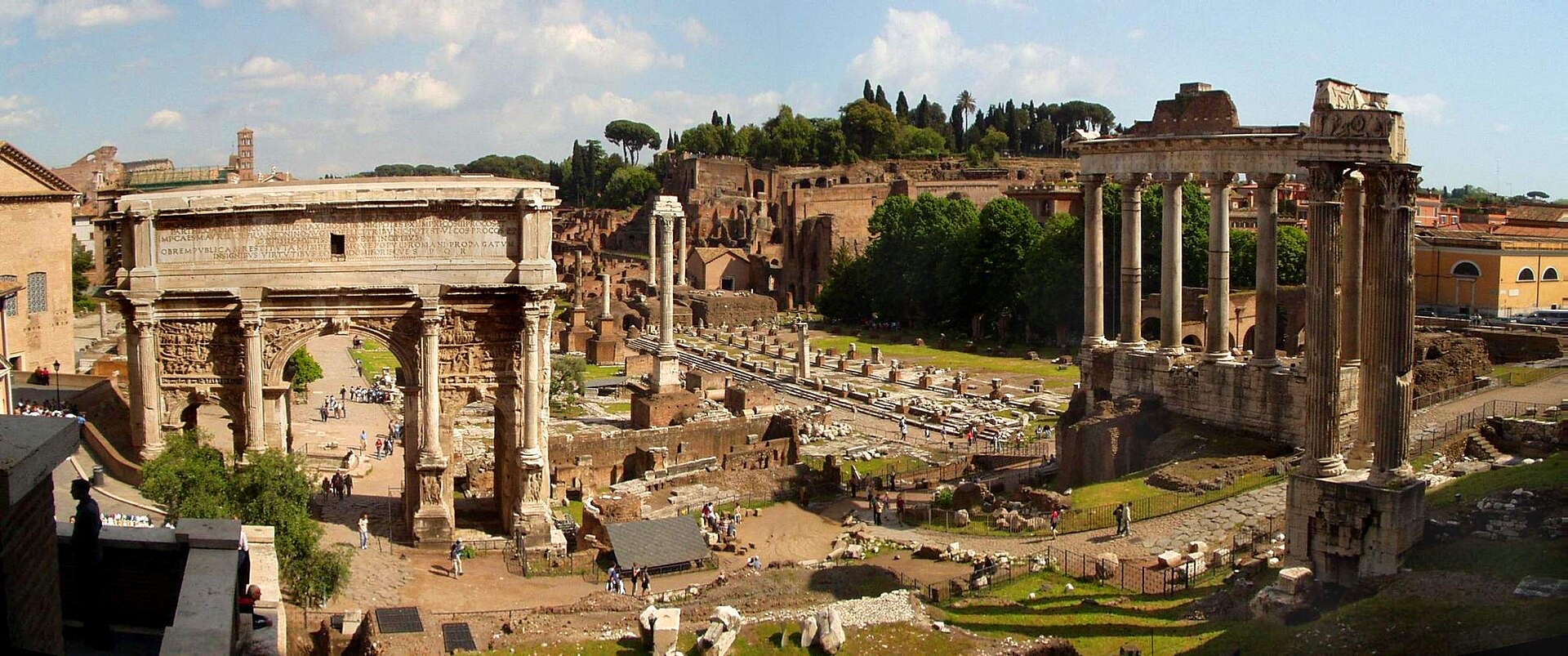
In 1538 Pope Paul III ordered the equestrian statue of Marcus Aurelius moved from the Lateran to the Capitoline Hill, where its presence had been recorded since the tenth century, according to the Capitoline MuseumsMusei CapitoliniThe Musei Capitolini are the civic museums on the Capitoline Hill, housed in the Palazzo dei Conservatori and the Palazzo Nuovo on Michelangelo's square. They hold the Capitoline She-wolf and the bronze Marcus Aurelius.. The bronze survived the Middle Ages largely because it was mistaken for a different emperor, and the original now sits indoors while a copy stands in the square.
The mistake that saved a bronze
Across the Middle Ages, Rome's equestrian bronze was not always recognised as Marcus Aurelius. Christian Rome associated it with Constantine, the first emperor to embrace Christianity, and that identification is often cited as the reason the statue escaped the fate of so many ancient bronzes, which were melted down for reuse. The Capitoline Museums record the statue's documented presence on the Capitoline from the tenth century, by the sixteenth century it had been moved twice, first to the Lateran and then, in 1538, back to the Capitoline by order of Pope Paul III. That papal transfer, verified by the museums' own catalogue entry, placed the bronze at the centre of the hill that MichelangeloMichelangeloMichelangelo Buonarroti (1475 to 1564) painted the Sistine Chapel ceiling and the Last Judgement, designed the dome of St Peter's and laid out the Capitoline square. In Rome he is an architect as much as a painter. was then redesigning.
From square to museum
Centuries outdoors took a toll. The statue's surface accumulated damage, and in the late twentieth century the original was brought indoors for conservation. Visitors to the Capitoline Museums can see the ancient bronze itself, while the open square outside displays a copy in its place. The arrangement explains why two versions exist: one protected from pollution and weather, the other preserving the urban composition of the piazza. The museums' official page for the equestrian statue of Marcus Aurelius documents the 1538 move and the statue's earlier history on the hill. Nearby, the same museum complex holds the Capitoline She-Wolf, another bronze tied to Rome's foundation story. For a broader view of the ancient city that produced such monuments, the Colosseum and Roman Forum remain the essential comparison.
What to look for
Inside, the original bronze shows the emperor's raised right hand and the horse's lifted foreleg, details that wear and exposure would have blurred outdoors. The statue's survival is not a story of lucky neglect alone, it is a case of mistaken identity that kept metal out of the furnace. The Capitoline Museums' own page is the primary source for the 1538 transfer and the tenth-century record. When visiting the hill, the copy in the square and the original indoors can be compared side by side in a single walk, with the museum's collection providing the documented context. The official Capitoline Museums page attributes the move to Pope Paul III in 1538 and notes the statue's recorded presence on the Capitoline since the tenth century.
More on the place itself: marcus aurelius statue.
Best tours and tickets in Rome Museums
Curated selection. We may earn a commission if you book, at no extra cost to you.

Capitoline Museum Experience with Multimedia Video

Vatican Museums, Sistine Chapel & St Peter’s Basilica Guided Tour

Rome: Colosseum, Roman Forum and Palatine Hill Guided Tour

Tour of St Peter's Basilica with Dome Climb and Grottoes
Frequently asked questions
Who ordered the equestrian statue of Marcus Aurelius moved in 1538?
Where was the statue moved to in 1538?
Where had the statue been before the 1538 move?
Why did the bronze survive the Middle Ages?
Why is the original statue now indoors while the square has a copy?
Since when had the statue's presence on the Capitoline Hill been recorded?
Related guides
Caravaggio in Berlin, Not Rome: What the Late-September Show Means for Your Museum Plan
A Caravaggio work is on show in Berlin until 25 September. Check where Rome's Caravaggios actually hang before you build a museum day around them.
Read more →2026 Roman Museums: No Major Closures, New Research Events with Art and Archaeology Focus
Check current 2026 museum access rules, new events in Rome, and important heritage updates for better visit planning.
Read more →The Pantheon's Dome in Rome: Why It's Engineering, Not Decoration, and Where to Stand to
The Pantheon's dome is the largest ever built in Roman concrete. Here is how to read its engineering, oculus and proportions on a visit.
Read more →No New Rome Museum Closures or Exhibitions Affecting Visits in September 2026
Rome museums and archaeological sites have no new closures or special exhibitions affecting visits in September 2026.
Read more →Kandinsky Exhibition in Rome Adds Gabriele Münter Section at Palazzo Bonaparte
Rome's Kandinsky exhibition at Palazzo Bonaparte now includes a section on Gabriele Münter, his companion and a major Expressionist painter in her own
Read more →Rome Museums and Archaeology: Key 2026 Closures and Access Updates
Check which Rome museums and archaeological sites have closures or access changes in 2026 and how to plan your visit accordingly.
Read more →Editorial summary produced with AI support and reviewed. Information can change. Verify anything important with the official venue or operator before you act. Spotted an error? Use the contact form and we will correct it.
All prices and times on this page are ESTIMATES and change often. They are a starting point from an independent editor, never official or guaranteed figures. Always check the final price and the opening hours with the official venue or operator before you book or travel.