Rome Museum Guide: Practical 4-Day Itinerary
Is 4 days enough for Rome?
Four days provides a realistic chance to see key museums without rushing excessively. Rome's major sites require time for lines, travel and detailed attention. Extending beyond 4 days improves depth, especially for specialized collections or less central locations.
Day 1
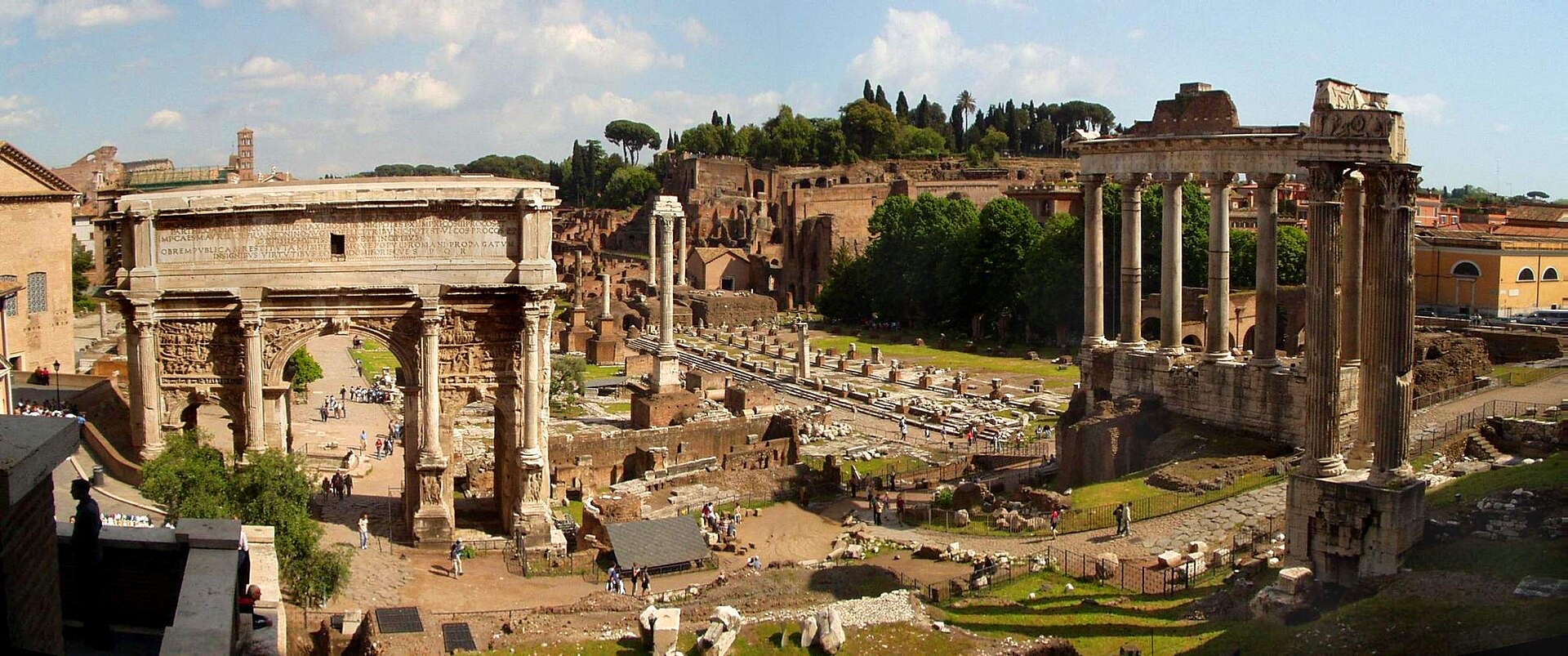
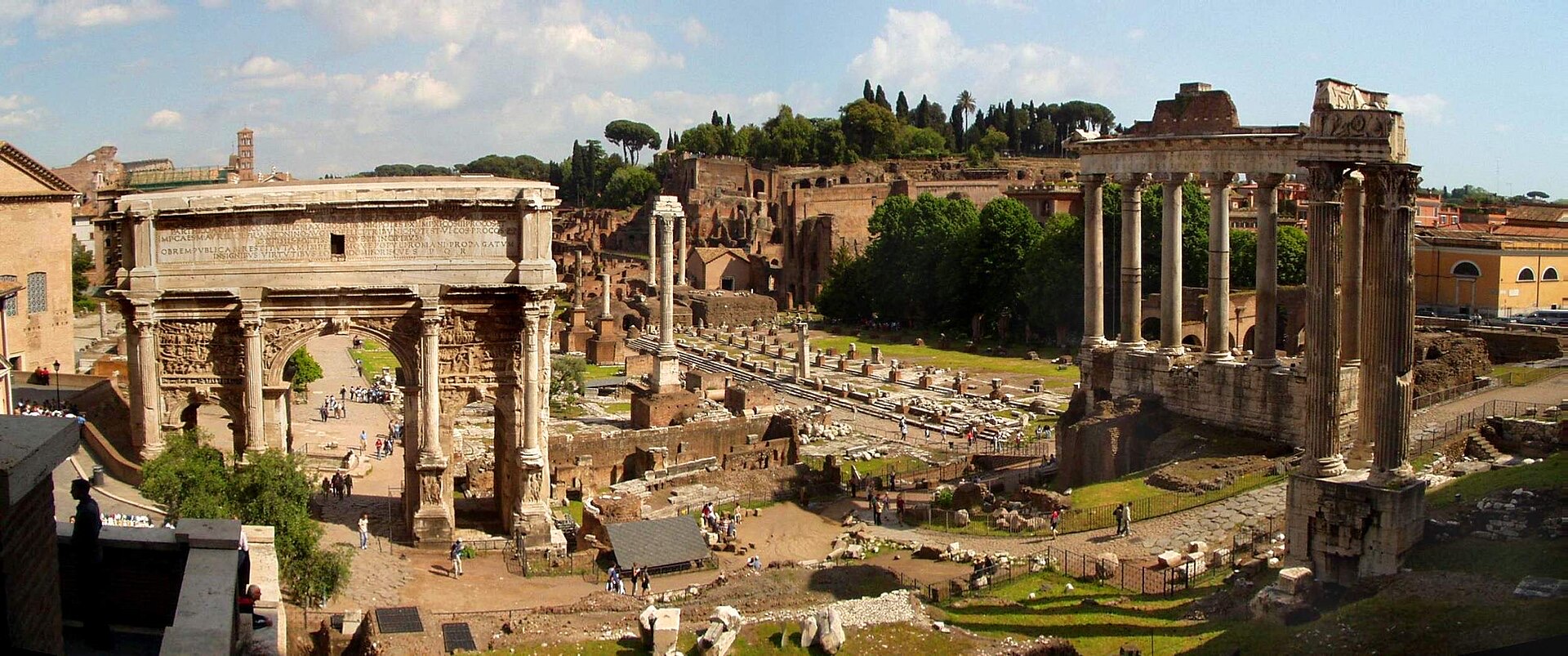
- Morning: Start at the Colosseum complex and Roman Forum area, focusing on the archaeological experience. The nearby Capitoline MuseumsMusei CapitoliniThe Musei Capitolini are the civic museums on the Capitoline Hill, housed in the Palazzo dei Conservatori and the Palazzo Nuovo on Michelangelo's square. They hold the Capitoline She-wolf and the bronze Marcus Aurelius. house important ancient sculptures and classical art. Allow 3-4 hours.
- Afternoon: Visit the National Roman Museum (Palazzo Massimo alle TermeTermeTerme are the great public baths of imperial Rome, complexes with pools, gyms, gardens and libraries. The Baths of Caracalla and the Baths of Diocletian are the two that can be visited.) for refined Roman frescoes, mosaics and coins. It is within walking distance from the station area.
- Evening: Stroll through the nearby historic center, a good moment to rest while observing Rome's urban fabric before the next day.
Day 2
- Morning: Spend the morning in the Vatican Museums, including the Sistine Chapel. This visit often requires advance timed tickets and can take 3-4 hours or more.
- Afternoon: Walk to St Peter's Basilica to view art and architecture, budget about 1-2 hours here.
- Evening: If time and energy allow, consider a short visit to Castel Sant'Angelo nearby or explore local dining in the Prati area.
Day 3
- Morning: Head to the Borghese GalleryGalleria BorgheseThe Galleria Borghese is the state museum in the Borghese villa holding Bernini's sculptures and the Caravaggio paintings collected by Cardinal Scipione Borghese. Entry is by reserved two-hour slot only. and Gardens. The gallery's small rooms require a booked time slotTimed entry slotA fascia oraria is the entry window printed on a Rome museum ticket. It fixes when you may enter, and at some museums how long you may stay., so plan accordingly. Expect about 2 hours inside the gallery.
- Afternoon: Relax in the Gardens or visit the adjacent National Gallery of Modern Art for late 19th and early 20th-century Italian art.
- Evening: Roam the Villa Borghese park or the surrounding neighborhoods, suitable for a lighter cultural walk.
Day 4
- Morning: Visit the MAXXI (National Museum of 21st Century Arts) in Flaminio area, a contrast to classical sites with contemporary architecture and art exhibitions.
- Afternoon: Consider the nearby National Etruscan Museum in Villa Giulia for pre-Roman artifacts, or the Capitoline Museums if you missed parts on Day 1.
- Evening: End in Trastevere quarter for a casual cultural atmosphere, but note most museums close earlier.
Why this order works
The itinerary arranges museums by area to reduce transport time. It clusters ancient Roman artifacts near Colosseum and later Vatican collections with RenaissanceRenaissanceThe Renaissance in Rome is the papal art of the late fifteenth and early sixteenth centuries: the Sistine Chapel, the Raphael Rooms and the new St Peter's. Its Roman phase is called the High Renaissance. and BaroqueBaroqueThe Baroque is the art of seventeenth-century Rome: theatrical, emotional and built for the Counter-Reformation papacy. Bernini, Borromini and Caravaggio are its Roman names. art. Borghese in the north offers a change of pace and style, while MAXXI at the end contrasts ancient with modern art. The flow avoids backtracking and respects museum opening hours.
Those with less time can skip Day 4’s contemporary options or shorten Vatican visits.
Practical checks
Verify the official museum websites for ticket prices, allowances for timed entry and advance booking requirements. The Vatican Museums require booking weeks ahead. Borghese Gallery tickets also sell out fast. Check days closed, especially Monday closuresMonday closingMost Italian state museums close on Monday, including the Borghese Gallery and the Capitoline Museums, while the Vatican Museums close on Sunday instead. Archaeological parks such as the Colosseum open every day. in the capital. Security checks cause queues at major sites. Accessibility varies but many offer assistance or routes for reduced mobility visitors.
Plan for seasonal changes in opening hours, and watch for room or gallery closures announced on official sites.
Best tours and tickets
Curated selection. We may earn a commission if you book, at no extra cost to you.

Vatican Museums, Sistine Chapel & St Peter’s Basilica Guided Tour

Tour of St Peter's Basilica with Dome Climb and Grottoes
Frequently asked questions
Do I need to book museum tickets in Rome in advance?
Can I visit the Colosseum and Capitoline Museums on the same day?
Are there any museums in Rome that close on Mondays?
Is the MAXXI museum suitable for all ages?
What is the best way to get between these museums?
Related guides
Bill Viola Video Art Suspended at Colosseum From 19 October 2026
The Bill Viola video installation inside the Colosseum is suspended from 19 October 2026 for maintenance. What to know before booking a visit to the
Read more →Rome Museum News: What Actually Changed for Visitors This Autumn
The freshest Rome heritage news is thin this week: two art fairs in London and Venice, and what they mean for museum-goers planning a Rome trip.
Read more →Rome Museums in 2026: What Actually Affects Your Visit
Rome museum and heritage changes in 2026. What travelers need to check before booking timed entry, Vatican Museums tickets and archaeological sites.
Read more →Michelangelo's Handwriting Becomes a Free Microsoft Font: What It Means for Rome Visitors
A new font based on Michelangelo's handwriting is free for Office users, commissioned by the Fabbrica di San Pietro. Here is the Rome museum link.
Read more →Temple of Venus and Rome Closed 16-17 October 2026: What Colosseum Visitors Need to Know
The Temple of Venus and Rome area inside the Colosseum park closes 16-17 October 2026 for a private event. Check which terraces are shut and plan your
Read more →Rome Museums in Late 2026: What Actually Changes for Bookings and Timed Entry
What late 2026 changes mean for Rome museum bookings, timed slots and archaeological site visits, with official pages to confirm before you travel.
Read more →All prices and times on this page are ESTIMATES and change often. They are a starting point from an independent editor, never official or guaranteed figures. Always check the final price and the opening hours with the official venue or operator before you book or travel.